Signs Your Septic Tank Needs Immediate Repair
Your septic system is one of the hardest-working parts of your home, but because it's underground, it's easy to overlook until something goes wrong. Small septic issues can quickly become larger problems if they aren't addressed promptly. Recognizing the early warning signs can help prevent damage to your property and keep your wastewater system working properly.
Many septic problems develop gradually, making it important for homeowners to know what to watch for. If you notice unusual smells, slow drains, or changes around your yard, your septic system may be telling you it needs professional attention.
In this guide, we'll discuss the most common signs that your septic tank needs immediate repair and explain why acting quickly can help protect your home.
Why Early Repairs Matter
A septic system is designed to safely collect, treat, and disperse household wastewater. When one part of the system begins to fail, it can affect the entire system.
Prompt repairs can help:
- Prevent sewage backups inside your home
- Protect the drain field from damage
- Reduce the risk of wastewater surfacing in your yard
- Keep your plumbing system functioning properly
- Extend the life of your septic system
Ignoring early warning signs can allow minor issues to become much more difficult to resolve.
1. Slow Drains Throughout the Home
One slow sink isn't always a septic problem. However, if multiple drains throughout your home begin draining slowly at the same time, it may indicate that your septic system is struggling.
You may notice:
- Slow kitchen sinks
- Slow bathroom sinks
- Bathtubs taking longer to drain
- Toilets flushing sluggishly
These symptoms often suggest that wastewater is not moving through the system as efficiently as it should.
2. Sewage Odours Around Your Property
One of the clearest warning signs of septic trouble is a persistent sewage smell.
You may notice unpleasant odours:
- Around the septic tank
- Near the drain field
- Outside your home
- Close to outdoor drains
- Inside bathrooms or utility rooms
A healthy septic system should not produce strong sewage smells. Persistent odours may indicate leaks, blockages, or ventilation issues that require professional inspection.
3. Standing Water Near the Septic System
If you notice puddles or wet ground around your septic tank or drain field during dry weather, don't ignore them.
Standing water may indicate:
- A clogged drain field
- Wastewater not draining properly
- A damaged septic component
- Soil saturation
Wastewater should remain underground. Surface water can be a sign that the system needs immediate attention.
4. Unusually Green or Fast-Growing Grass
A lush lawn is usually a good thing—but not if it's only growing over your septic system.
If one section of your yard appears
- Greener
- Thicker
- Faster growing
than the surrounding grass, wastewater may be escaping underground and acting as fertilizer.
This could point to a leak or drain field issue that should be inspected by a professional.
5. Gurgling Sounds in Your Plumbing
Have you heard unusual bubbling or gurgling sounds after flushing a toilet or using a sink?
These noises can occur when wastewater struggles to move through the plumbing system.
Listen for sounds coming from:
- Toilets
- Bathroom sinks
- Kitchen sinks
- Bathtubs
- Floor drains
While occasional noises may have simple causes, frequent gurgling throughout the home can indicate septic system problems.
6. Sewage Backing Up Into the Home
A sewage backup is one of the most serious signs of septic failure.
Wastewater may begin backing up into:
- Toilets
- Showers
- Bathtubs
- Basement drains
- Floor drains
This situation requires immediate professional attention. Avoid using water until the problem has been inspected to help prevent additional wastewater from entering the system.
7. Frequent Plumbing Problems
If you find yourself repeatedly dealing with clogged drains or slow plumbing despite routine maintenance, your septic system may be contributing to the problem.
Recurring plumbing issues often indicate that the underlying cause has not been addressed.
A professional septic inspection can help determine whether the problem lies within the septic system rather than your home's plumbing.
8. Wet or Soggy Drain Field
Your drain field should remain relatively dry under normal conditions.
If the area feels:
- Soft
- Muddy
- Spongy
- Constantly wet
even when there has been little rainfall, wastewater may not be filtering through the soil properly.
This can reduce the effectiveness of your entire septic system.
9. Tree Root Intrusion
Trees naturally seek moisture, and septic lines provide an attractive source.
Over time, roots may:
- Crack pipes
- Block wastewater flow
- Damage the septic tank
- Affect the drain field
Homeowners should avoid planting large trees close to septic components and have existing trees monitored if they are nearby.
10. It Has Been Years Since Your Last Inspection
Not every septic issue shows visible symptoms.
If your septic system has not been professionally inspected for several years, hidden problems may already be developing.
Routine inspections help identify:
- Structural damage
- Worn components
- Early leaks
- Drain field concerns
- General system condition
Preventive inspections are one of the best ways to protect your investment.
What Happens During a Septic Repair Inspection?
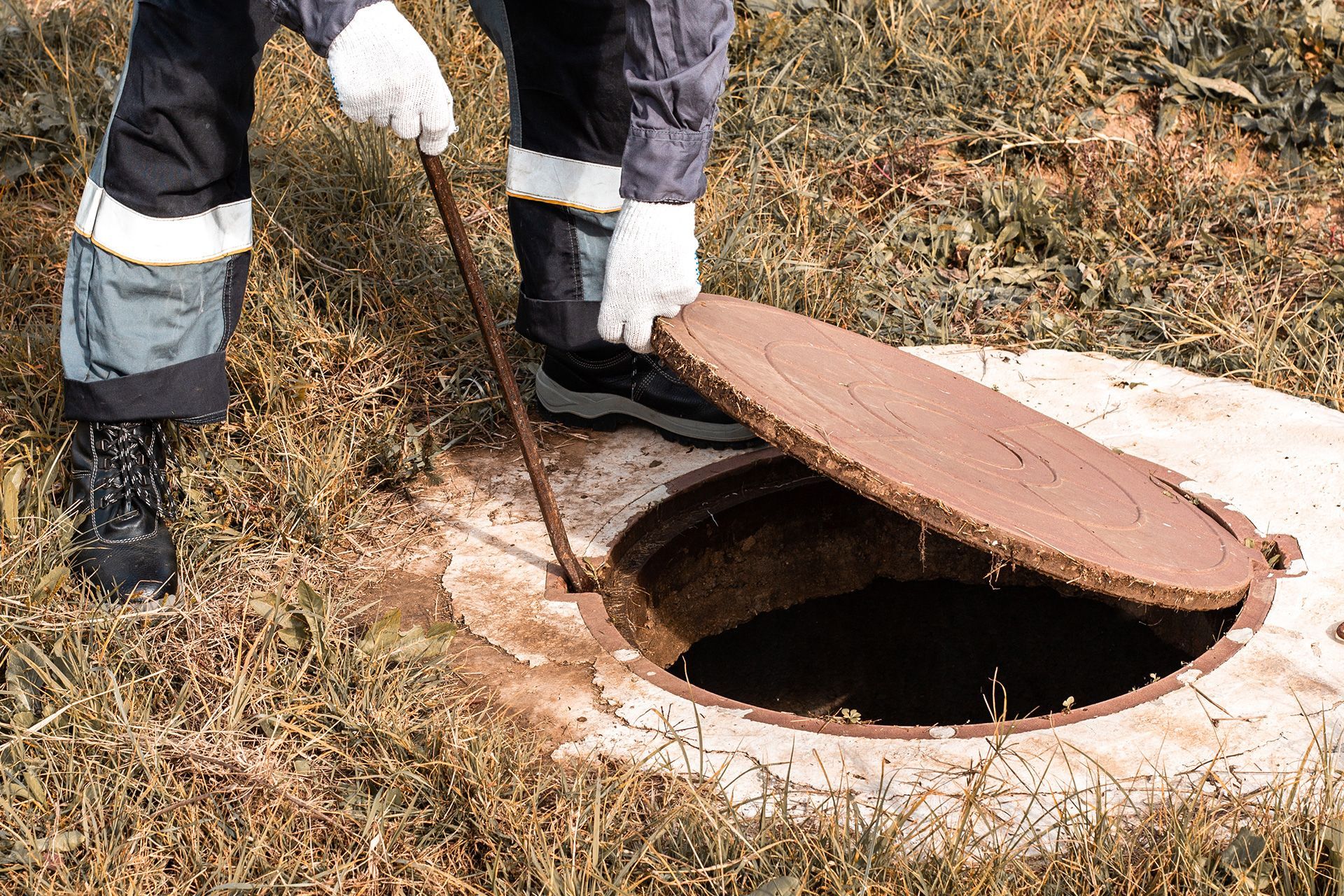
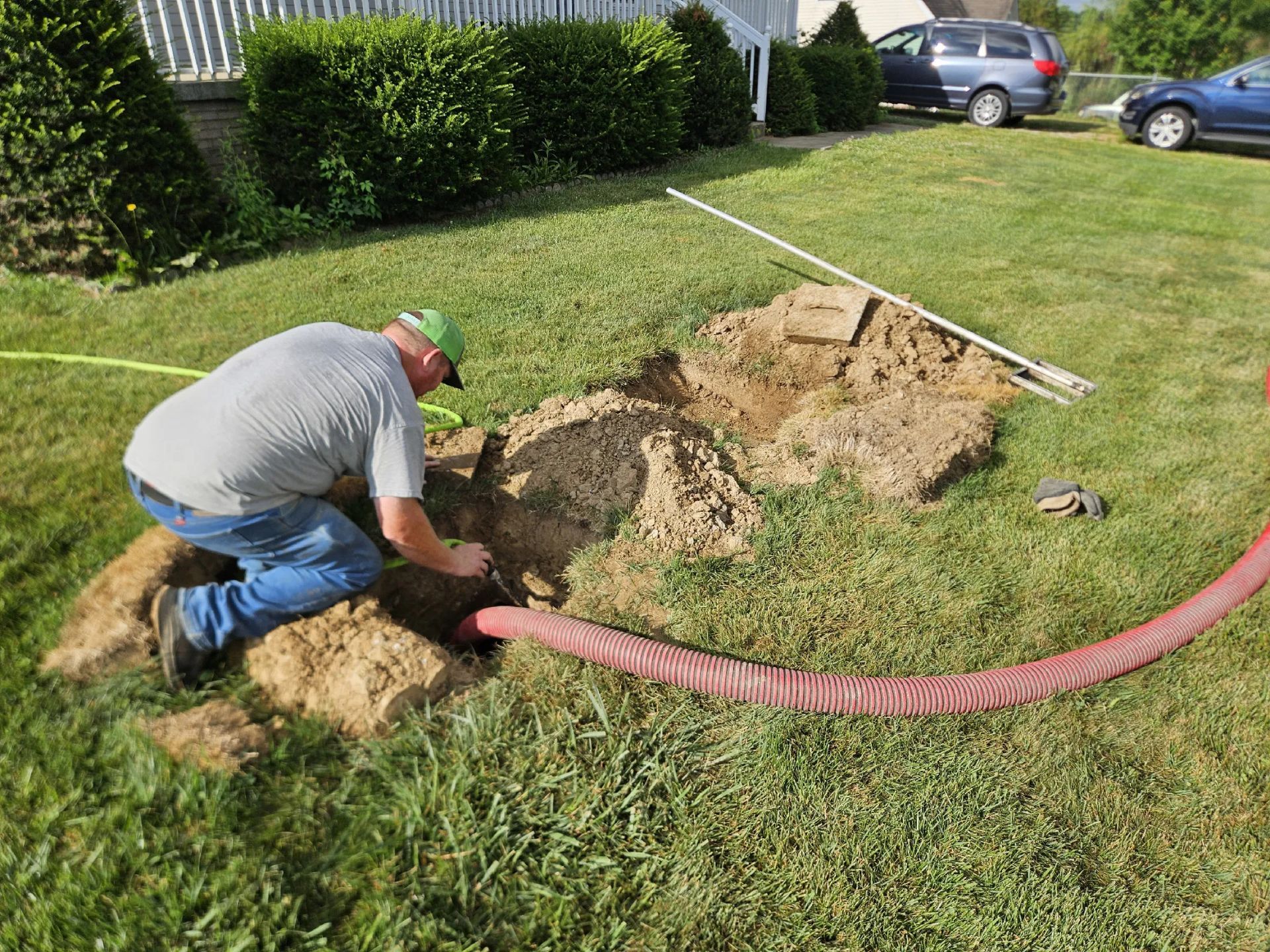
When you schedule a professional inspection, the technician will evaluate the condition of your septic system and identify the source of the problem.
An inspection may include:
- Checking the septic tank
- Inspecting baffles and internal components
- Measuring sludge and scum levels
- Evaluating the drain field
- Looking for leaks or damaged pipes
- Assessing overall system performance
The findings help determine the most appropriate repair approach based on the condition of your system.
Tips to Help Prevent Septic Repairs
While some repairs are unavoidable, good maintenance habits can reduce the likelihood of unexpected problems.
Helpful practices include:
- Schedule routine septic inspections.
- Pump the septic tank as recommended.
- Avoid flushing wipes and hygiene products.
- Keep grease and cooking oil out of drains.
- Conserve water throughout the home.
- Protect the drain field from heavy vehicles.
- Keep accurate maintenance records.
These simple habits support the long-term health of your septic system.
When Should You Call a Professional?
Don't wait until a minor issue becomes a major disruption.
Contact a septic professional if you notice:
- Persistent sewage odours
- Slow drains throughout the home
- Standing water near the septic system
- Wet areas over the drain field
- Plumbing backups
- Gurgling pipes
- Unusually green patches of grass
- Signs of damage after heavy storms
Early inspections and timely repairs can help restore your septic system before more significant problems develop.
Conclusion
Your septic system gives many warning signs before a major failure occurs. Paying attention to slow drains, sewage odours, standing water, wet drain fields, and plumbing backups can help you address problems early and protect your home.
Regular inspections and prompt repairs are essential for keeping your septic system operating safely and efficiently. If you've noticed any of these warning signs, the experienced team at Kentucky Septic Professionals can inspect your system, identify the issue, and recommend the appropriate repair to help restore reliable performance.
Frequently Asked Questions
Can a septic tank repair itself?
No. Septic systems require professional attention when components become damaged or stop functioning properly.
Is a bad smell always a sign of septic trouble?
Persistent sewage odors often indicate that your septic system should be inspected, especially if they occur around the tank or drain field.
Should I keep using water if my septic system is backing up?
It's best to minimize water use until a professional has inspected the system to help prevent additional wastewater from entering the tank.
Can heavy rain affect my septic system?
Yes. Excess rainfall can saturate the soil around the drain field, making it more difficult for wastewater to disperse properly.
How can I reduce the risk of septic repairs?
Routine inspections, proper septic pumping, water conservation, and avoiding harmful materials down the drain all help keep your septic system in good condition.
When should I schedule a septic inspection?
Schedule an inspection if you notice any warning signs or as part of your regular septic maintenance plan to identify potential issues before they become more serious.
Disclaimer: The information on this website and blog is for general informational purposes only and is not professional advice. We make no guarantees of accuracy or completeness. We disclaim all liability for errors, omissions, or reliance on this content. Always consult a qualified professional for specific guidance.
Recent Posts