How Often Should You Pump Your Septic Tank?
A septic system plays an important role in managing wastewater for many Kentucky homes. Unlike homes connected to a public sewer system, properties with septic systems rely on an underground tank and drain field to treat and remove household wastewater.
Because septic systems operate out of sight, many homeowners forget about them until a problem appears. Regular septic tank pumping is one of the most important steps you can take to keep your system working properly and prevent unexpected issues.
But how often should you pump your septic tank? The answer depends on several factors, including household size, water usage, tank capacity, and daily habits.
In this guide, we'll explain how septic tank pumping works, what affects pumping frequency, warning signs that your tank may need attention, and how proper maintenance can help protect your septic system.
Why Septic Tank Pumping Is Important
Your septic tank separates wastewater into three layers:
- Solid waste that settles at the bottom
- Liquid wastewater that flows into the drain field
- Scum and lighter materials that float at the top
Over time, solids and scum naturally build up inside the tank. If they are not removed, they can reduce the tank's ability to separate waste properly.
A full septic tank may cause problems such as:
- Slow drains
- Plumbing backups
- Sewage odours
- Drain field issues
- Wastewater surfacing in the yard
Regular pumping removes accumulated waste and helps your septic system continue operating efficiently.
How Often Should You Pump a Septic Tank?
There is no single schedule that works for every home. Most septic systems require regular pumping based on their specific conditions.
Several factors influence how frequently your tank needs service:
Household Size
The number of people living in your home affects how much wastewater enters the septic system.
A larger household typically produces:
- More wastewater
- More solid waste
- Faster tank buildup
Homes with fewer occupants may require less frequent pumping, while larger families may need more regular maintenance.
Water Usage Habits
The amount of water your household uses each day can affect your septic system.
Activities that increase wastewater flow include:
- Multiple loads of laundry
- Long showers
- Frequent dishwasher use
- Running several appliances at the same time
Excessive water entering the septic tank can make it harder for solids to settle properly.
Practising water conservation helps reduce strain on your system.
Septic Tank Size
The size of your septic tank also plays a role in pumping frequency.
A smaller tank may fill more quickly, while a larger tank can usually handle more waste before requiring service.
If you are unsure about your tank size, a professional septic inspection can help identify your system's specifications.
Amount of Solid Waste Produced
Some households naturally produce more solid waste than others.
Factors that may increase buildup include:
- Large families
- Garbage disposal use
- Excessive food waste entering drains
- Flushing inappropriate materials
Only wastewater and septic-safe materials should enter your plumbing system.
Signs Your Septic Tank May Need Pumping
While regular maintenance is important, your septic system may also provide warning signs when it needs attention.
Watch for these common indicators:
Slow Drains
If sinks, showers, and tubs throughout your home drain slowly, your septic tank may be struggling to process wastewater properly.
Sewage Odours
Unpleasant smells inside your home or around your septic system may indicate that waste is not being managed correctly.
Water Backup
Wastewater backing up into toilets, sinks, or showers is a serious warning sign that your septic system needs professional attention.
Standing Water Near the Drain Field
Water pooling near the septic system or drain field may indicate that wastewater is not filtering into the soil properly.
Unusually Green Grass
A noticeably greener patch of grass above your drain field may indicate excess nutrients from wastewater reaching the surface.
What Happens During Septic Tank Pumping?
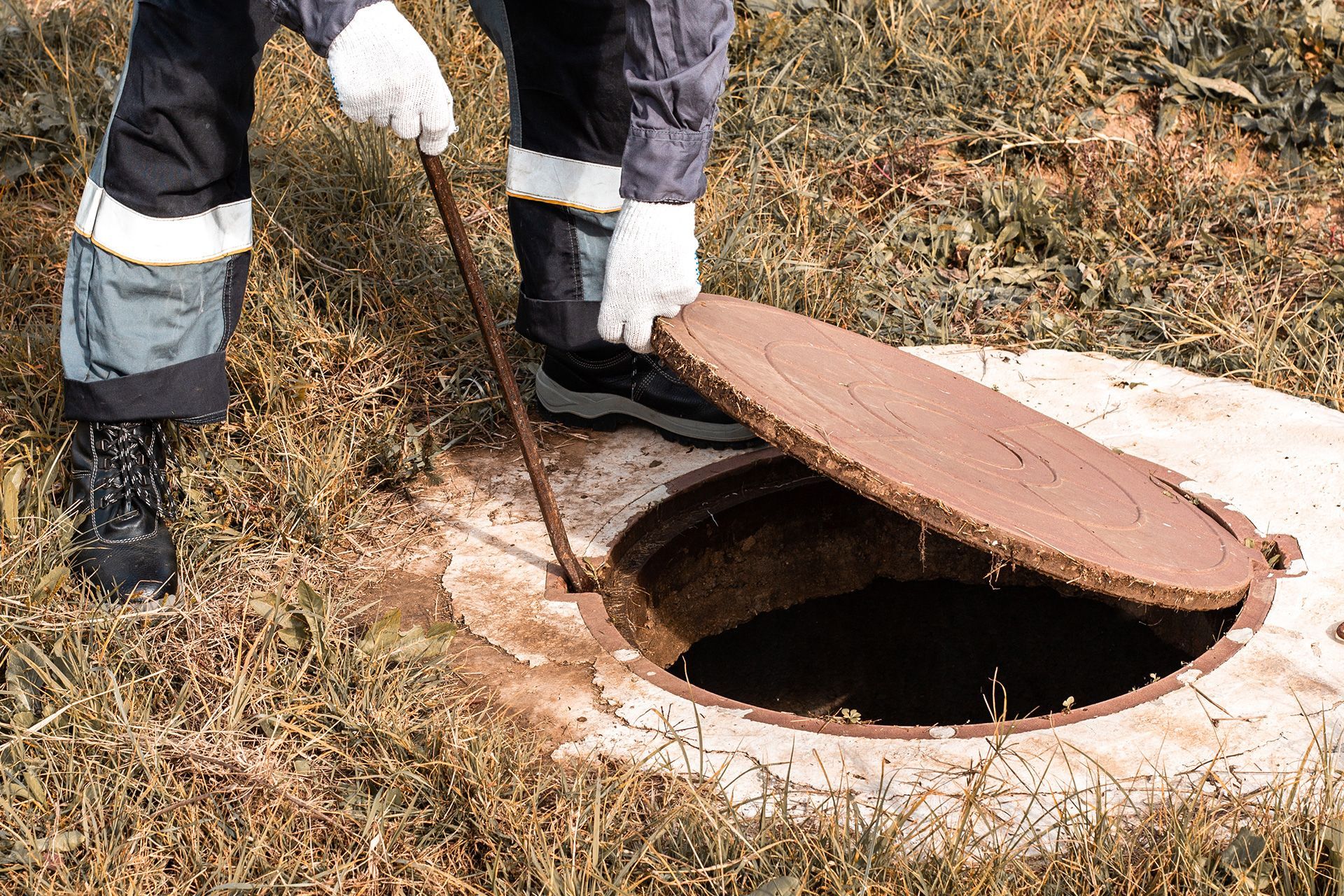
Professional septic pumping involves removing accumulated solids and materials from inside the tank.
During the service, professionals typically:
- Locate the septic tank access points.
- Open the tank safely.
- Remove accumulated solids and wastewater.
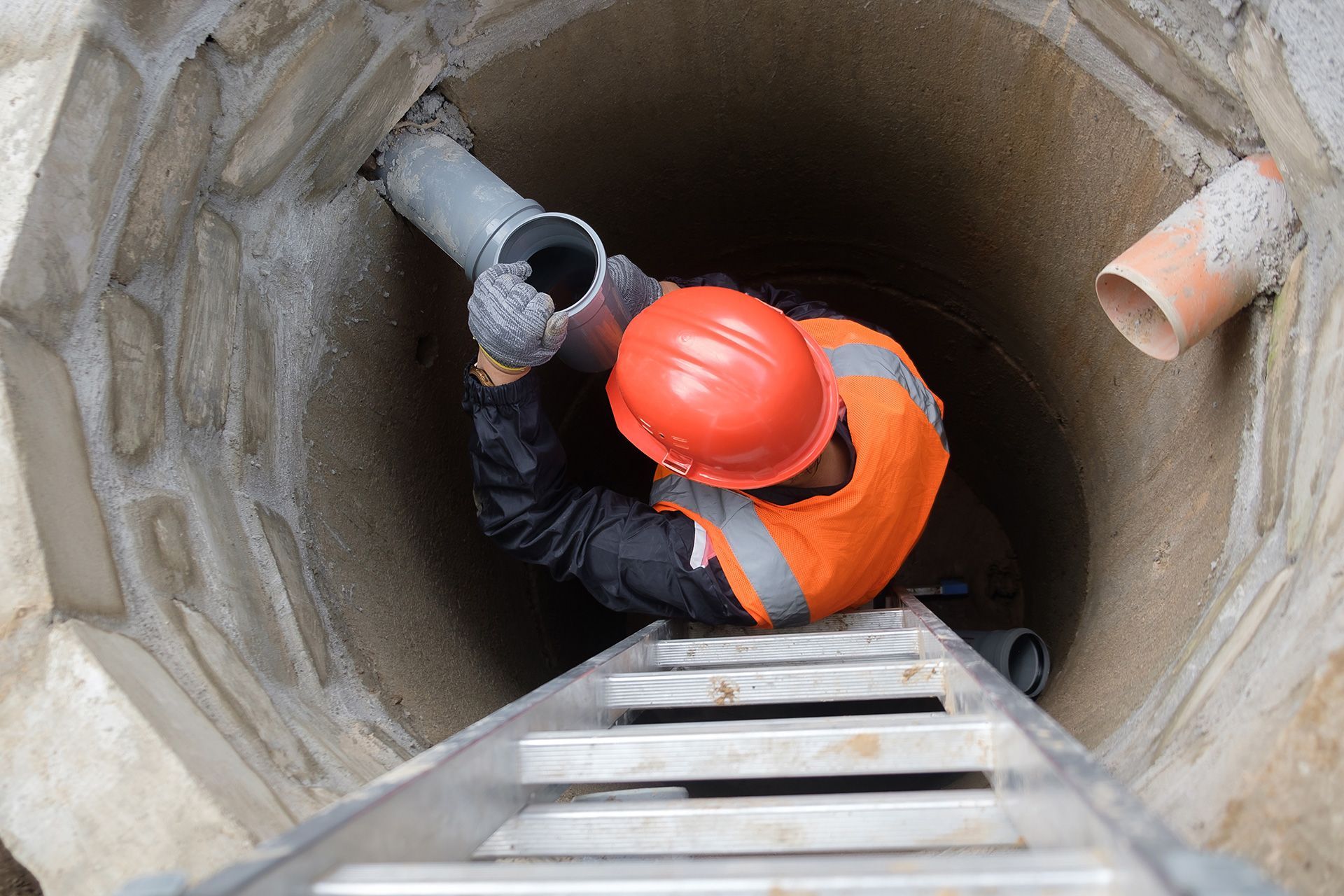
- Inspect the tank for visible issues.
- Check important components.
A professional inspection during pumping can help identify potential problems before they become more serious.
How to Extend the Time Between Septic Pumping Services
Proper care can help your septic system operate efficiently and reduce unnecessary stress.
Avoid Flushing Harmful Materials
Your septic system is not designed to handle items such as:
- Paper towels
- Baby wipes
- Feminine hygiene products
- Cotton swabs
- Dental floss
- Chemicals
- Grease
These materials can increase buildup and create blockages.
Use Water Efficiently
Reducing excessive water usage helps your septic system process wastewater more effectively.
Helpful habits include:
- Repairing leaking fixtures
- Using efficient appliances
- Spreading laundry throughout the week
- Avoiding unnecessary water waste
Protect Your Drain Field
The drain field is essential for treating wastewater after it leaves the tank.
To protect it:
- Do not park vehicles over the area.
- Avoid building structures above it.
- Keep deep-rooted plants away.
- Prevent rainwater from collecting nearby.
Schedule Routine Inspections
Even when your septic system appears to work properly, inspections help identify hidden concerns.
A professional inspection can detect:
- Tank damage
- Drain field problems
- Pipe issues
- System performance concerns
Regular maintenance helps prevent unexpected septic problems.
Common Septic Tank Pumping Mistakes Homeowners Make
Many septic issues happen because homeowners overlook simple maintenance steps.
Common mistakes include:
Waiting Until There Is a Problem
Some homeowners only think about their septic system after a backup or failure occurs. Preventive maintenance is much more effective than emergency repairs.
Flushing Non-Septic Items
Items that do not break down easily can accumulate inside the tank and create problems.
Ignoring Warning Signs
Slow drains, odours, and wet areas should not be ignored. They often indicate that your system needs professional evaluation.
Using Too Many Harsh Chemicals
Strong chemicals can disrupt the natural bacteria needed for septic treatment.
Why Kentucky Homeowners Should Prioritise Septic Maintenance
Kentucky homes often rely on septic systems because of rural properties and areas without access to municipal sewer connections.
Local conditions such as soil type, rainfall, and property layout can affect septic performance.
Routine septic maintenance helps homeowners:
- Protect their property
- Avoid wastewater issues
- Maintain a healthier environment
- Keep their system operating properly
Understanding your septic system and following recommended maintenance practices is essential for long-term performance.
When Should You Schedule Septic Pumping?
If you are unsure about your septic tank's condition, scheduling a professional inspection is a good first step.
You should consider contacting a septic professional if:
- You cannot remember your last pumping service
- Your drains are slowing down
- You notice sewage smells
- Your yard has wet areas near the drain field
- Your plumbing system is showing unusual behaviour
A professional can evaluate your system and recommend the appropriate maintenance based on its condition.
Conclusion
Regular septic tank pumping is one of the most important parts of septic system maintenance. While the exact schedule depends on your household, water usage, and system design, staying proactive helps prevent serious problems.
By watching for warning signs, practicing good septic habits, and scheduling professional maintenance, Kentucky homeowners can help protect their septic systems and their properties.
If you need septic pumping, inspection, or maintenance services, Kentucky Septic Professionals can help evaluate your system and provide reliable solutions to keep it working properly.
Frequently Asked Questions
How do I know when my septic tank needs pumping?
Slow drains, sewage smells, backups, standing water, and unusual lawn growth can indicate that your septic tank may need professional attention.
Can I pump my septic tank myself?
Septic tank pumping requires professional equipment and proper handling. It is best performed by trained septic professionals.
Does every septic tank need the same pumping schedule?
No. Pumping frequency depends on household size, water usage, tank size, and how the system is used.
What happens if I do not pump my septic tank?
Ignoring septic maintenance can lead to backups, drain field problems, unpleasant odours, and system damage.
Can septic inspections help prevent problems?
Yes. Regular inspections can identify early warning signs and help homeowners address issues before they become major problems.
How can I maintain my septic system between services?
Use water efficiently, avoid flushing harmful materials, protect the drain field, and schedule regular professional inspections.
Disclaimer: The information on this website and blog is for general informational purposes only and is not professional advice. We make no guarantees of accuracy or completeness. We disclaim all liability for errors, omissions, or reliance on this content. Always consult a qualified professional for specific guidance.
Recent Posts